green feedstocks renewable inputs premium raw material products
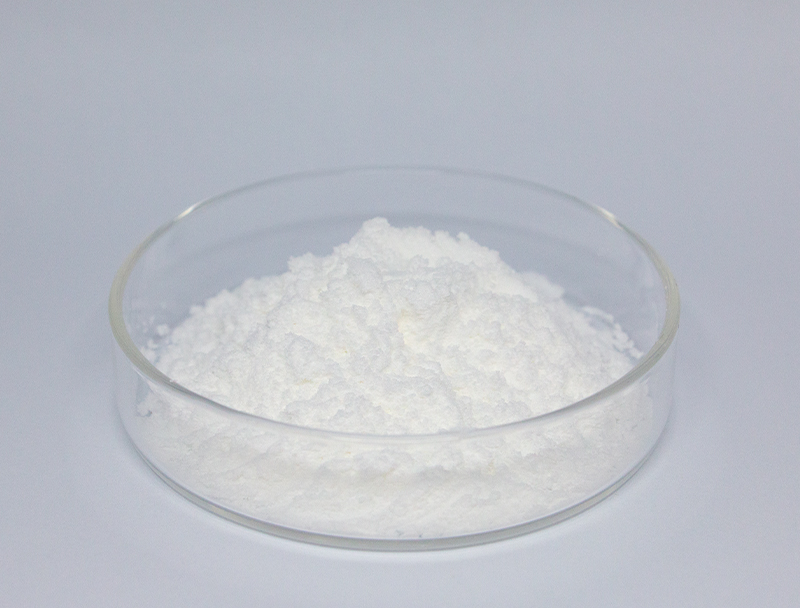
Industrial biosynthesis counts extensively on a comprehensive selection of input materials to produce innovative bio-based products.
Safeguarding sustainably sourced materials underpins enduring viability and ethical market growth.
multiple challenges associated with traditional raw material procurement for instance pollution and systematic depletion of reserves. Consequently, biotech firms need proactively to adopt sustainable procurement approaches to reduce environmental impact.
- Samples of circular procurement methods cover:
- Adopting organic-origin materials from crop remnants
- Establishing regenerative loops to cut waste and elevate material utilization
- Partnering with local suppliers committed to ethical sourcing practices
This shift towards sustainable raw material sourcing is not only environmentally beneficial but also economically viable in the long run.
Optimizing Biomass Feedstocks for Enhanced Biofuel Production
Optimizing biofuel yields depends strongly on feedstock quality and makeup. Technologists actively pursue refinements to increase feedstock efficiency, resulting in superior production volumes and sustainable energy gains. This involves genetic modifications to increase biomass production, as well as pretreatment techniques that break down complex plant materials into more readily fermentable sugars.
- Likewise, initiatives explore candidates such as algal biomass, process wastes, and agricultural leftovers to extend sustainable feedstock availability for fuels.
- With persistent development the field will likely demonstrate notable gains that foster a more sustainable energy system.

Optimizing Early-Stage Biomanufacturing Processes
entails beginning production stages such as cell growth and biomass recovery Modern progress within the sector has contributed to more efficient processes and higher production.
Salient improvements involve specialized expression hosts, fine-tuned media strategies, and next-gen bioreactor concepts. Such breakthroughs boost efficiency and simultaneously reduce manufacturing costs and carbon burdens.
- Additionally, a shift to integrated continuous operations is providing enhanced flexibility and responsiveness in production.
- This move toward intelligent production systems is expected to reshape the industry and hasten drug development.
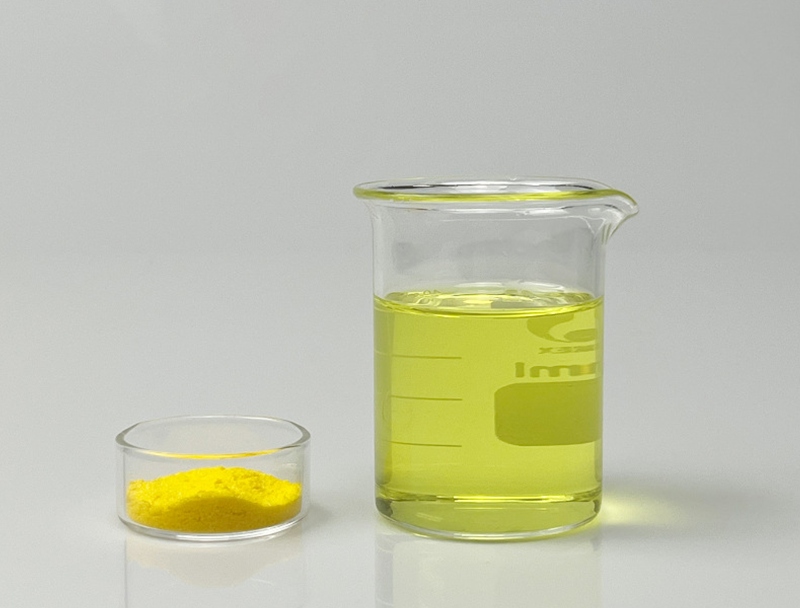
Gene Editing Breakthroughs That Elevate Biopharma Output
developments in targeted genetic engineering methodologies have modernized drug manufacturing. Via deliberate gene edits, teams amplify protein expression for higher yields. The technique provides opportunities to manufacture economical, high-yield therapeutics for varied indications.
Microbial Solutions for Greener Bioremediation Practices
innovative solutions for sustainable bioremediation, a critical process for addressing environmental pollution. Engineered and natural microbes can attenuate pollutants via metabolic conversion.. Harnessing microbe-based degradation fosters cleanup tactics that minimize environmental disruption and residual waste.. Scientists are actively exploring a wide range of microbial species with diverse metabolic capabilities to target various pollutants, including heavy metals, pesticides, oil spills.. Microbial strains work in bioreactor settings or on-site applications to convert pollutants through biological pathways..
Biotechnology-driven remediation delivers notable upsides compared to conventional cleanup tactics. These methods are economical and eco-conscious while reducing hazardous secondary waste. In addition, microbial approaches enable pollutant-specific treatment without broad ecological disruption. Advancements continue apace to increase the speed, efficiency, and applicability of microbial remediation techniques.
The Role of Bioinformatics in Drug Discovery and Development
Advanced informatics contributes significantly to today’s drug research environment. From identifying potential drug candidates to optimizing their efficacy and safety, bioinformatics enables a more efficient and data-driven approach.
- By parsing huge omics and clinical databases, bioinformaticians detect targets and estimate therapeutic responses.
- Similarly, modeling drug–target interactions streamlines design of compounds with better efficacy and selectivity.
- Ultimately, informatics is transforming R&D and shortening timelines to deliver safe, efficacious therapies to patients.
Cell Factory Optimization for Higher Bioproduct Output
implements many strategies to improve microbial output of desired bioproducts. Techniques span CRISPR-mediated edits to reshape pathways, synthetic control elements to fine-tune expression, and gene imports to grant new biosynthetic abilities.. By optimizing cellular networks, developers can substantially boost target bioproduct output.
Such holistic engineering could impact many areas including medical therapeutics, agricultural outputs, and biofuel production.
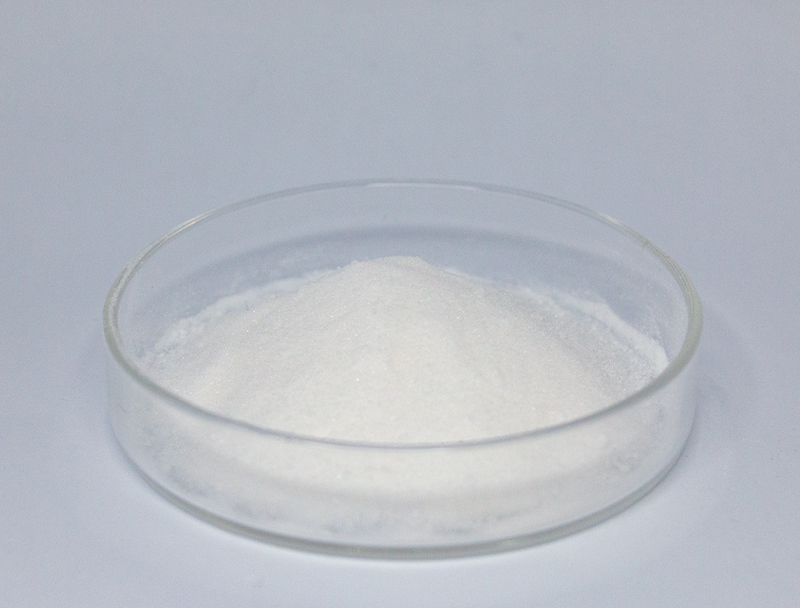
Upscaling Biopharma: Obstacles and Potential Gains
Scaling up biopharmaceutical production presents both significant challenges and exciting opportunities. A primary obstacle is ensuring uniform quality control as volumes rise. Addressing it demands strong process governance, accurate real-time analytics, and advanced measurement systems.
Additional complexity arises because biopharma production entails many coordinated stages.. Reengineering workflows for mass production involves rigorous R&D and inventive technology deployment.. Despite challenges, the benefits may be considerable. Well-executed upscaling can improve therapy access, decrease costs, 5-ALA and enhance economic performance.
Multiple programs focus on resolving scale-up difficulties. Approaches include cutting-edge process optimization tech, comprehensive analytics for control, and disruptive manufacturing designs.
- Ongoing innovation drives improvements in industrial production capability.
- Regulators are adapting frameworks to speed authorization of novel manufacturing approaches and spur innovation.
Regulatory Considerations to Maintain Biopharmaceutical Safety and Performance
Developing biologic treatments requires exacting oversight to ensure consistent safety and efficacy. Products of biological origin introduce specific challenges that differ from standard drug development.
Institutions such as the U.S. FDA and European EMA lead in formulating regulations and benchmarks for biologic approvals..
Rigorous testing protocols are mandatory throughout the development lifecycle, from pre-clinical research to post-market surveillance.. Such safeguards are intended to detect hazards and ensure therapeutics adhere to top-tier safety benchmarks..
Similarly, regulators iteratively adjust approaches to accommodate emerging biopharmaceutical breakthroughs.. This includes embracing novel technologies and facilitating the development process while maintaining a commitment to patient well-being.
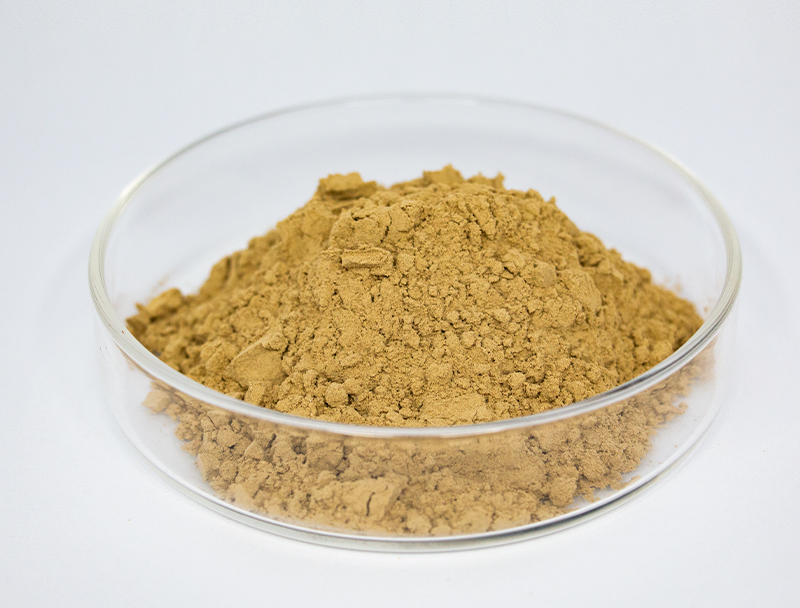
Assessing Plant Biomass Pathways for Bioplastic Innovation
The rising demand for eco-friendly materials fuels R&D on bio-based alternatives. Bioplastics produced from plant biomass form a compelling option for lowering environmental footprint. Renewable inputs including cornstarch, cellulosic matter, and sugarcane biomass can be processed into biodegradable plastics that minimize long-term pollution.
In addition, certain bioplastics match performance of petroplastics, enabling broad applicability in multiple sectors.. Continued research and innovation in this field are crucial to unlocking the full potential of plant-based biomass feedstocks in the manufacture of sustainable bioplastics, paving the way for a circular economy.
Biotech's Role in Improving Global Health and Agricultural Resilience
Biotechnology equips researchers with methods to tackle health crises and bolster food availability. Using genome engineering, synthetic biology techniques, and cell-based treatments, innovators devise ways to tackle pathogens, amplify yields, and improve nutrition.. Illustratively, crops altered for pest resistance and stress endurance support increased harvests and diminished pesticide usage.. Also, biotechnological innovation fuels development of immunizations, antimicrobial treatments, and diagnostic platforms vital for disease control and population health.. As the field evolves, biotechnology is expected to play a pivotal role in shaping a healthier and environmentally sustainable future for all.
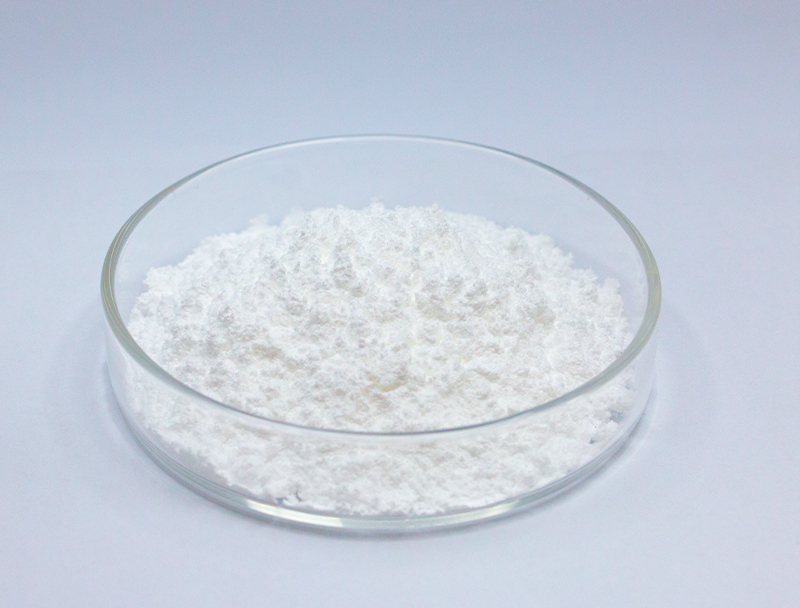 5-Aminolevulinic acid